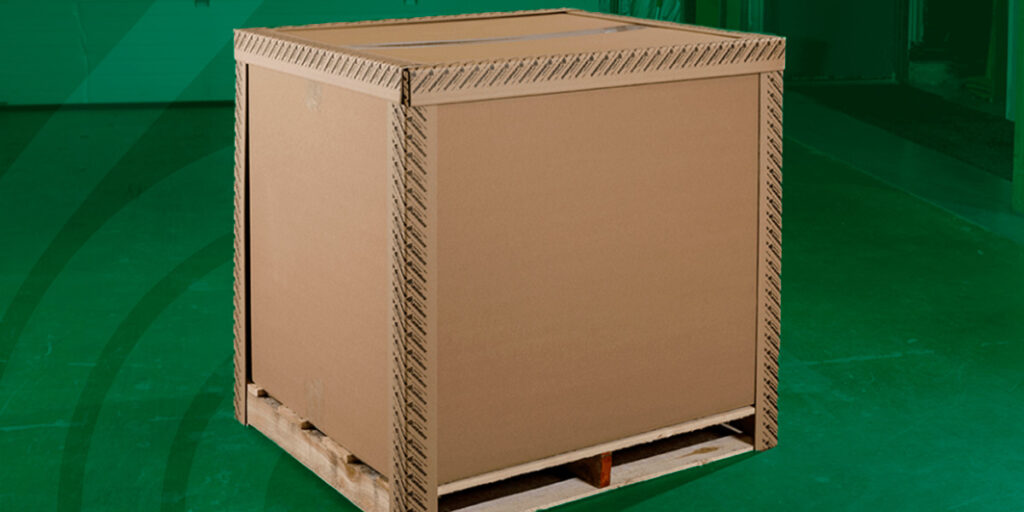
If you’ve ever tried to package an item that doesn’t fit neatly into a standard box, you already know the frustration. Long products bend, round items roll and heavy components shift, no matter how much filler you add. Even when everything appears secure at the packing station, damage can still occur during delivery, and shipping costs may climb higher than expected.
Below, we explore the process of choosing the right packaging material for irregularly shaped items so you can find the right solutions for your shipments.
The Challenges of Packaging Irregularly Shaped Items
Irregular shapes introduce problems that standard packaging materials aren’t designed to solve. Before examining solutions, it’s helpful to understand where things typically go wrong.
1. Dimensional Weight and the Cost of Shipping Air
Carriers often price shipments based on the space a package occupies. When an irregular item is placed in an oversized box, you end up paying to ship space around the product, rather than just the item itself. This can quietly drive up freight costs without improving protection.
2. Product Movement and Damage Risk
Irregular items don’t sit flush against box walls. That makes them more likely to move during transit. Void fill can compress, shift or settle, especially with heavier items. Once that happens, the product can bang against the container, rub against packing materials or take direct impact at weak points like edges and corners.
3. Excessive Material Use and Waste
To compensate for poor fit, many teams add more filler, wrap and tape. That increases material costs, slows down packing and creates more waste. It can also make packages more difficult to handle and open on the receiving end.
4. Handling and Safety Concerns
Some packaging materials solve protection issues by adding weight. For large or heavy irregular items, this can make handling more difficult and increase strain during packing, staging and loading.
How to Choose the Right Packing Materials for Odd-Shaped Items
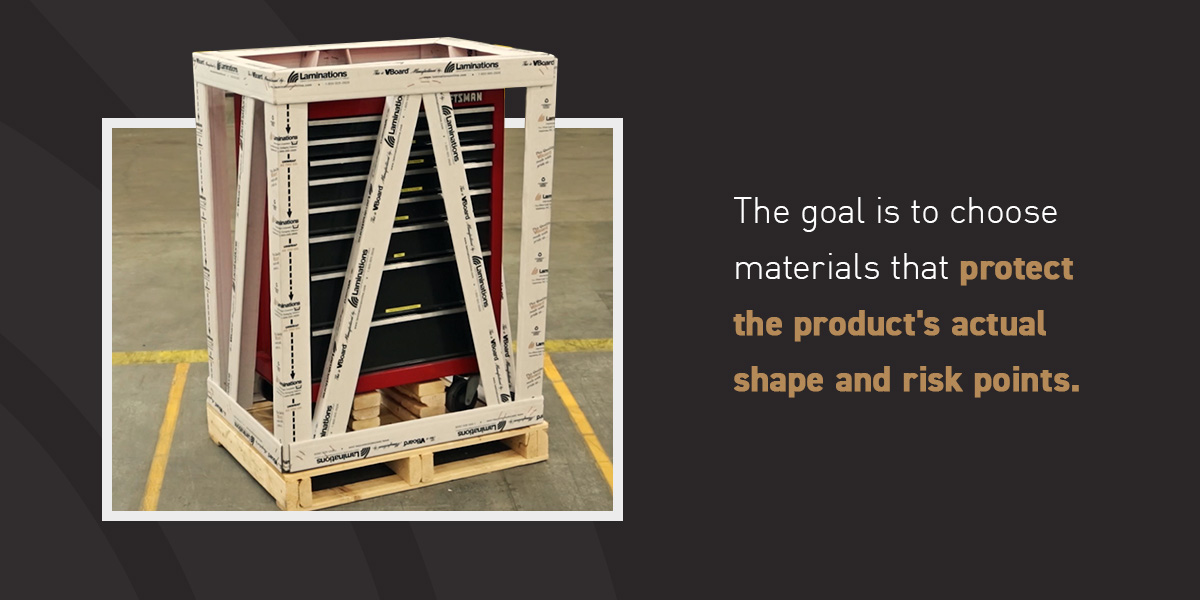
Once you understand the challenges, the decision process becomes clearer. The goal isn’t to force an irregular product into a standard package. The goal is to choose materials that protect the product’s actual shape and risk points.
Start by Understanding the Product’s Shape and Weak Points
Every irregular item has predictable failure points. For example, long products tend to bend or crush at the ends, round items roll and scuff, and heavy items concentrate force at corners and edges.
Before choosing materials, you’ll need to consider the following:
- The product’s length, curves and weight distribution.
- Where damage has happened in the past.
- The surfaces that need cosmetic protection versus structural support.
Decide Whether You Need Cushioning or Structural Support
Not all protection does the same job. Cushioning materials absorb impact, while structural materials resist compression and movement. For many irregular items, structure matters more than softness. If the product needs to resist bending, strapping pressure or stacking forces, rigid or semi-rigid materials usually perform better than soft fillers alone.
Match the Material to the Shipping Environment
The shipping method matters just as much as the product shape. Less than truckload freight often involves stacking, shifting and compression over longer distances. Choosing materials without considering the shipping environment can lead to protection gaps, even when the packaging looks solid at first glance.
Evaluating Common Types of Packaging Materials for Odd-Shaped Items
There’s no universal best packaging material. The right choice depends on the needs of your unique shipment.
Corrugated and Standard Cartons
Corrugated boxes are a familiar and widely available packaging option. They work well when an irregular item can still be stabilized inside a reasonably sized carton. The challenge is that boxes are inherently rectangular in shape. For long, curved or uneven products, this may lead to oversized cartons, extra void fill and higher dimensional weight costs.
Wooden Crates for Irregularly Shaped Items
Wooden crates are often used for heavy machinery and large industrial components. They offer strong puncture resistance and rigidity.
Foam Packaging Materials and Plastic Cushioning
Foam packaging materials, such as bubble wrap and loose fill, can help protect surfaces and absorb impact for lightweight items. These materials are commonly used because they are easy to work with and suitable for small, fragile products.
Paperboard Edge Protection as a Packaging for Odd-Shaped Items
Paperboard protective components focus on reinforcing vulnerable points, not just filling space. Edge and corner protection can distribute compression forces, reduce strap damage and help maintain a tight, stable load.
This approach can be useful for irregular shapes because it supports a build-around-the-product strategy. Instead of overboxing and stuffing, you stabilize and reinforce the areas most likely to fail.
How to Match Material to Product Shape
Matching material to shape is where packaging decisions become more reliable and repeatable.
Long items such as tubing, profiles, trim and siding can suffer from bending, edge crushing and end damage.
- Full-length edge protection: Reinforces edges and reduces flex along the entire shipment
- End protection components: Protect the ends where impact and crushing are most likely to occur
- Tighter pack geometry: Keeps packaging close to the product, reducing shifting and wasted space
Round items such as coils, drums and some furniture components can roll and are challenging to square off without excessive filler.
- Conforming wrap protection: Helps protect the surface while reducing bulk
- Reinforcement at contact points: Protects rims and edges where straps and pallet forces concentrate
- Stabilization over stuffing: Immobilizing the item is usually more reliable than relying on compressible void fill
Heavy irregular items often need both structural protection and practical handling. In some applications, engineered paperboard solutions can provide strong protection while reducing packaging weight.
- Structural packaging: Designed for compression, supporting stacking and reducing the risk of crushing
- Protection that fits the product footprint: Reduces movement and prevents shipping air
- Options that support safer handling: Lighter packaging can simplify staging, loading and unloading
Custom-Engineered Solutions for Total Protection
Standard packaging is most suitable for standard products. Irregular shapes often benefit from solutions engineered around the product itself.
Custom approaches may include the following:
- For structural edge and corner protection: VBoard® can help reinforce long edges and protect against crushing and strap pressure.
- Flexible wrap-style protection: FlexRoll® can conform to curved items and reduce reliance on plastic wrap.
- Crate-style structural protection: SURECrate® can offer a strong alternative to traditional wood crates for certain heavy or bulky items.
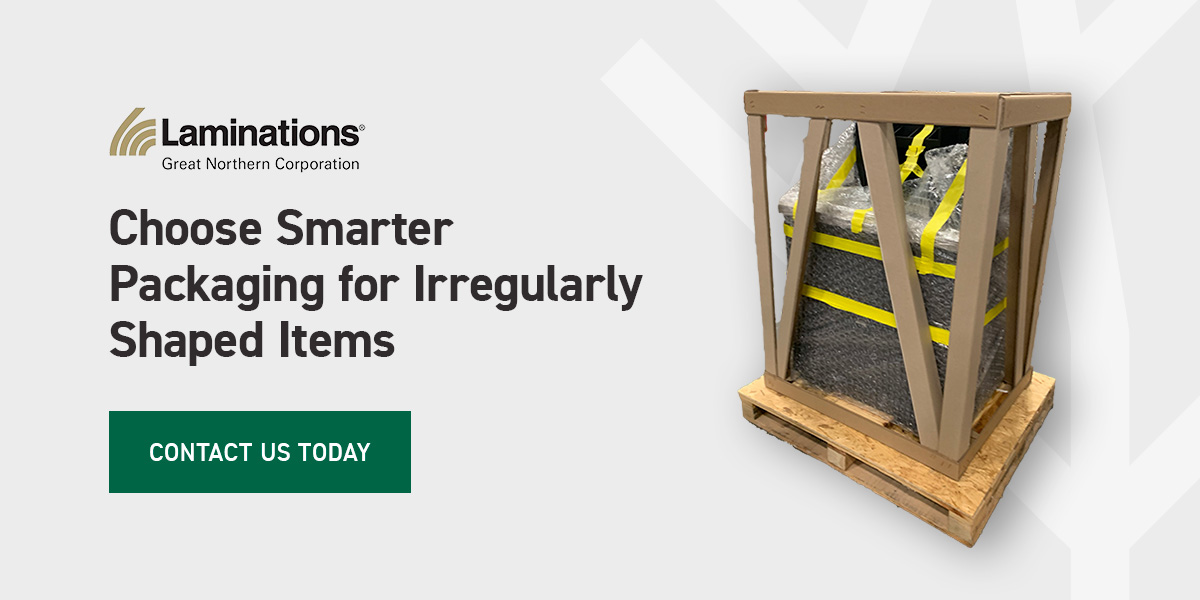
Choose Smarter Packaging for Irregularly Shaped Items
Choosing the right packaging material for irregularly shaped items is challenging. Standard packaging materials weren’t designed for these products. When materials don’t match the shape or shipping environment, the result is wasted space, higher shipping costs, damaged goods and frustrated teams.
Great Northern Laminations® can help you build protection around your product, rather than forcing it into a box. Our custom solutions help to safeguard your products during shipping, handling and storage. Contact Laminations today for more reliable shipping.