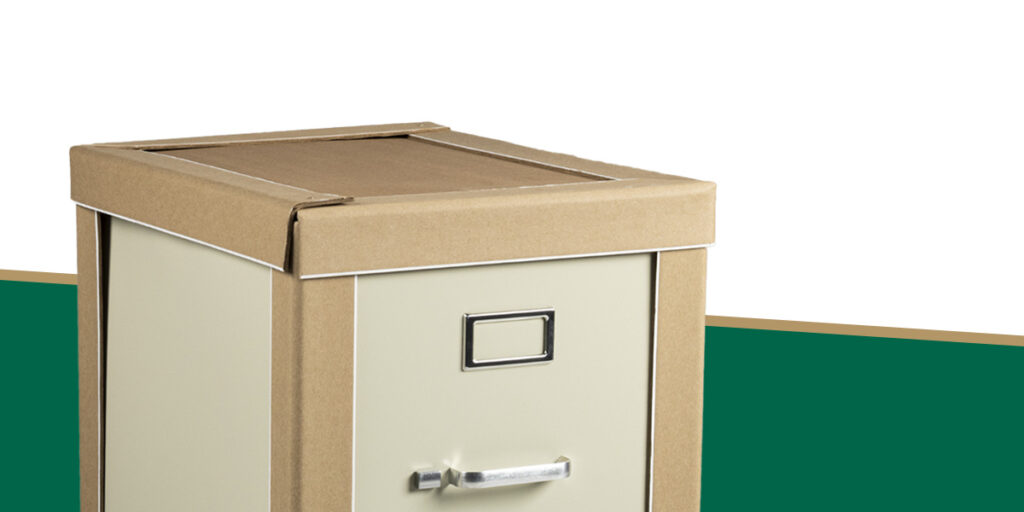
When your products are cylindrical, irregular, heavy or fragile, standard packaging solutions often fall short. Many suppliers are set up to sell common sizes and shapes, rather than designing protection around what you actually ship. That disconnect can lead to damaged goods, slow packing lines and wasted materials.
Below, we’ll help you avoid these problems by walking you through what matters when choosing a vendor so you can find the right custom packaging supplier for your needs.
The Unique Challenges of Sourcing Right-Sized Packaging for Your Products
Custom-shaped products introduce complexity that standard packaging suppliers often struggle to handle. Understanding these challenges makes it easier to recognize which suppliers are equipped to help.
Limited Experience With Irregular Packaging Styles
Many packaging suppliers focus on rectangular boxes and flat components. When they’re asked to protect curved edges, uneven surfaces or heavy components, they often lack the tooling and design expertise to do it properly.
This typically shows up as:
- Poor fit: Packaging that looks acceptable but leaves gaps or pressure points.
- Inconsistent protection: Some areas of the product are well supported, while others aren’t.
- Trial and error designs: Multiple revisions that slow timelines and increase waste.
Longer Lead Times and Unexpected Costs
Custom packaging often requires tooling, and not all suppliers manage this efficiently. Vendors that rely on outside partners can introduce delays and higher up-front costs.
Common issues include the following:
- Slow sample turnaround: Waiting weeks for a prototype can stall production schedules.
- Rigid tooling: Designs that can’t be adjusted without starting over.
- Escalating costs: Tooling fees that grow as designs change.
Quality Control Challenges
Reliable suppliers understand how to maintain consistency. For example, sourcing custom-shaped plastic requires tighter tolerances and consistent quality control. When specifications aren’t standardized, even small variations can cause packaging to fit incorrectly.
Quality inconsistencies can lead to packaging that doesn’t fit consistently. Small variations cause disruptions on the packing line, resulting in production slowdowns as teams pause to modify or replace components. Poorly fitted items may also shift during transit, leading to higher damage rates.
Pressure to Use the Standard Sizes
Generalist suppliers may try to force custom products into standard packaging sizes. Instead of engineering the right solution, they may push standard sizes that are “close enough.” This approach prioritizes convenience for the supplier rather than performance for the shipper.
This approach to packaging can lead to overpacking, resulting in excess material that increases shipping weight and cost. It could also result in under-protection due to empty spaces allowing movement and impact.
How to Choose the Right Custom Packaging Vendor in 6 Steps
A simple evaluation framework helps you identify suppliers that can support your custom-shaped products.
1. Look Closely at Their Engineering Capabilities
Custom packaging requires structural thinking, not just visual design. Strong indicators of a capable supplier include:

- In-house engineering teams: Suppliers with engineers are equipped to solve geometric and load-bearing challenges.
- Real-world examples: Request case studies that demonstrate how they have handled irregular or heavy products.
- Fast prototyping: The ability to deliver a physical sample in days instead of weeks reduces risk and keeps projects moving.
2. Evaluate Their Approach to Materials
The right material depends on the product, not the supplier’s preferred offering. A key part of comparing suppliers is finding vendors that can remain flexible and solution-focused.
The supplier should be able to recommend materials based on rigidity, cushioning and shape requirements. Many businesses also want recyclable and lightweight materials, so ask whether they can meet protection requirements while using materials that align with your sustainability goals.
3. Confirm Testing and Validation Capabilities
Custom packaging should be proven, not assumed, to work. Testing is critical when designs are unique. A reliable supplier will have ISTA certifications that show they understand real-world shipping conditions and in-house testing to speed up design refinement and validation. They should also provide detailed test reports that show how the packaging performs under stress.
4. Assess Scalability and Distribution Support
Packaging needs often change as businesses grow. Your supplier should be able to grow with you. Important considerations include the following:
- Production capacity: The ability to handle increased volume without compromising lead times.
- Distribution collaboration: Working with distributors helps ensure consistent availability and local support.
- Reliable delivery performance: Custom components shouldn’t be deprioritized during busy production cycles.
5. Consider the Total Cost Impact
Unit price alone rarely reflects the true cost of packaging. The right supplier looks at the bigger picture. A comprehensive cost perspective includes designs that improve pallet density and reduce freight shipping volume. Packaging that is easy and fast to assemble will help reduce labor strain and increase throughput on the packing line. This attention to efficiency ultimately results in enhanced protection that lowers replacement, return and rework costs.
6. Consider Sustainability Without Sacrificing Performance
For many businesses, sustainability is now part of operational goals and customer expectations. The challenge is finding sustainable packaging solutions that still deliver the level of corner and edge protection that custom-shaped products require.
Key sustainability factors to assess when evaluating suppliers include:
- Material efficiency: Well-engineered custom packaging often uses less material overall because it’s designed to fit the product precisely. This helps reduce waste compared to oversized or layered solutions.
- Lightweight design: Lighter packaging can reduce shipping weight, supporting both cost control and emissions reduction across the supply chain.
- Design for reuse: Some custom solutions can be reused internally or across multiple shipments, extending product life and reducing disposal volume.
Frequently Asked Questions
Get your pressing questions on packaging suppliers for custom products answered.
Timelines vary depending on the complexity, but experienced suppliers can often deliver prototypes within a few days. Faster prototyping can indicate strong alignment between engineering and manufacturing teams.
Suppliers with in-house testing and ISTA-certified processes can validate designs before full production. Test data provides measurable proof that packaging can withstand real-world distribution conditions.
Yes. When engineered correctly, recyclable materials can provide strong protection and structural support. The key is working with a supplier that understands how to design for both performance and sustainability..
Choose a Partner, Not Just a Supplier
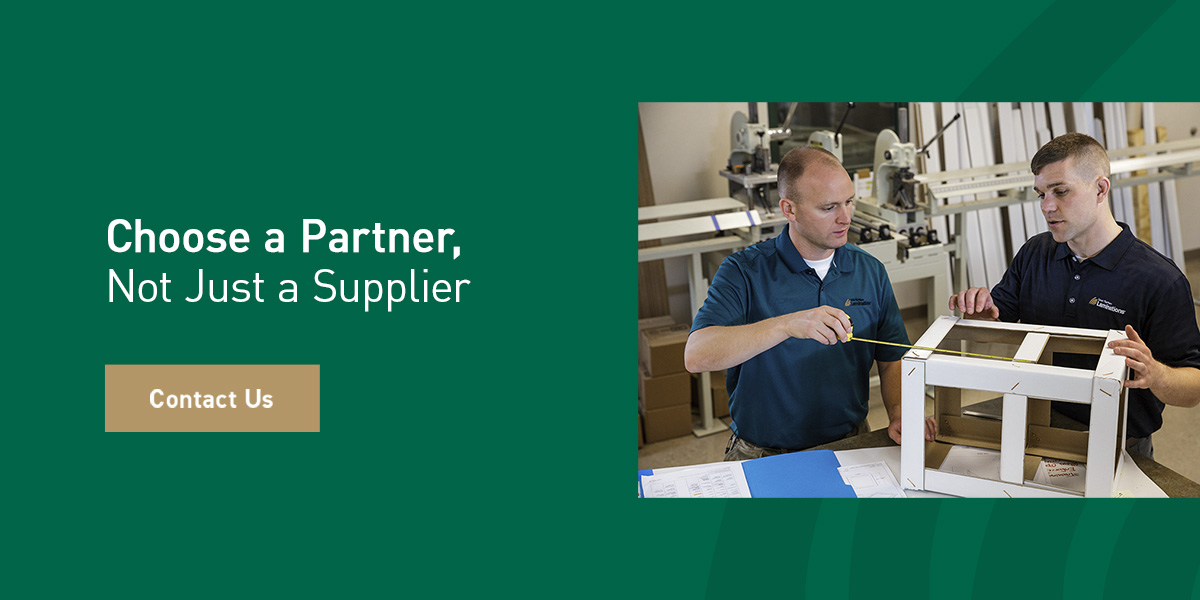
When packaging for custom-shaped products falls short, the consequences show up quickly. Damaged shipments, inefficient packing lines, wasted materials and rising costs all point back to the fact that packaging was never designed for the product in the first place.
Great Northern Laminations® helps solve these challenges by engineering custom solutions around real product needs. With in-house design expertise, validated testing capabilities and a strong focus on lightweight and recyclable materials, Laminations supports packaging solutions that protect products, streamline operations and scale as demand increases.
Contact Laminations today for custom packaging solutions that work for your unique operation.