Designing Custom Corner and Edge Protectors for Maximum Efficiency

Designing Custom Corner and Edge Protectors for Maximum Efficiency

Product damage during shipping is rarely a single, isolated issue. Its ripple effects include repeat shipments, strained customer relationships, higher freight bills and teams quietly accepting loss as the cost of doing business. For many organizations, the root cause is not careless handling — it’s inadequate packaging.

Custom-designed corner and edge protectors can reduce damage, control shipping costs and maximize packaging efficiency. Protection engineered to specific products gives businesses consistency, stability and confidence across the supply chain. Let’s explore how to design custom corner and edge protectors for maximum efficiency.

The Hidden Costs of Standard Protection

On a superficial level, standard edge and corner protection often appears to solve the problem. For example, products arrive with some form of reinforcement, pallets look stable and shipments leave the dock without incident. However, these solutions tend to create inefficiencies that accumulate quietly over time.

One-size-fits-all protection rarely accounts for product weight distribution, unique geometries or stacking requirements. When protectors don’t align precisely with the product, gaps form and loads shift. That movement increases the likelihood of crushed corners, cracked finishes and compromised pallet integrity.

Failing to invest in custom designs can bring several consequences.

  • Increased dimensional weight charges: Oversized protection forces larger cartons and higher freight classifications.
  • Inconsistent stacking strength: Uneven support reduces pallet stability during transit and storage, compromising stability.
  • Higher material waste: Excess protection material adds cost without improving performance.
  • Preventable product damage: Corners and edges fail when protection doesn’t match the load.

Efficiency suffers when protection does not match the application at hand. Custom design eliminates guesswork and replaces it with measured, repeatable performance.

A Blueprint for Custom Designing Your Corner Protectors

Designing effective corner and edge protection starts with understanding the product, the shipping environment and the performance expectations. Custom solutions balance strength, fit, sustainability and ease of use. The following design elements form the foundation of optimal protection.

Selecting the Appropriate Material for the Job

Many buyers begin their search with terms like molded pulp and other sustainable packaging materials. However, while molded pulp can work well for lightweight cushioning applications, it typically lacks the structural rigidity required for load-bearing corner and edge protection on palletized shipments.

Key material considerations include the following factors:

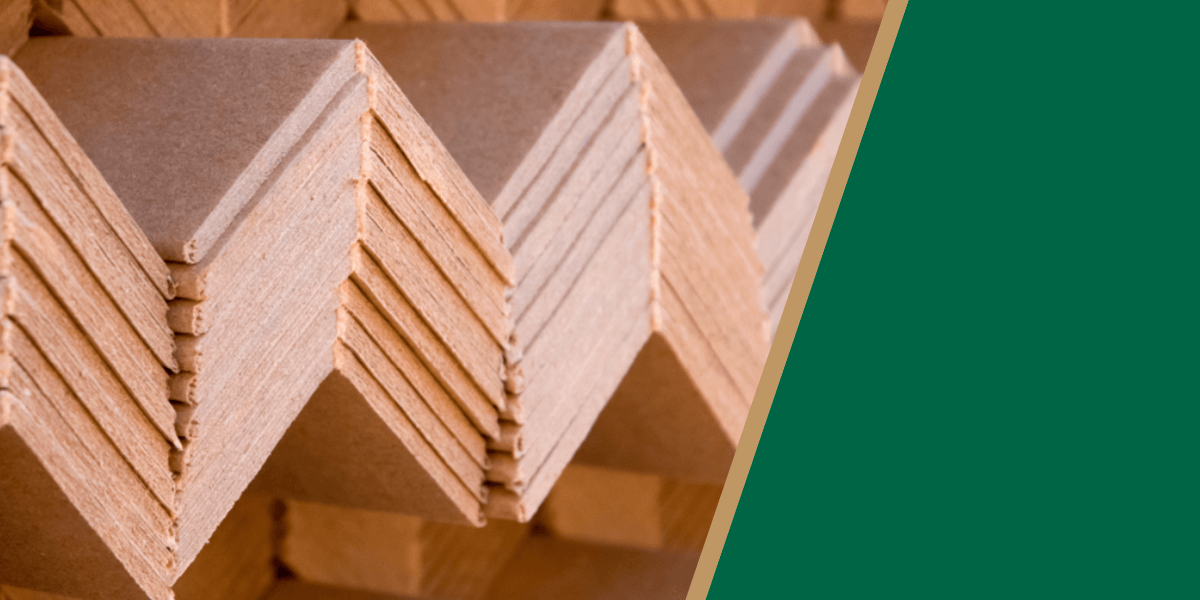
  • Structural performance: Laminated paperboard achieves strength through its layered construction, rather than relying on excessive thickness.
  • Environmental impact: Recycled content supports sustainability goals without sacrificing protection.
  • Weight efficiency: Using lighter materials can reduce shipping weight while maintaining load-bearing capacity.
  • Environmental resistance: Coatings and treatments manage moisture exposure during transit.

Material choice should always reflect the specific shipping conditions and handling risks the product will experience. Selecting a material that balances protection with sustainability creates long-term value across the supply chain.

Sizing and Shaping

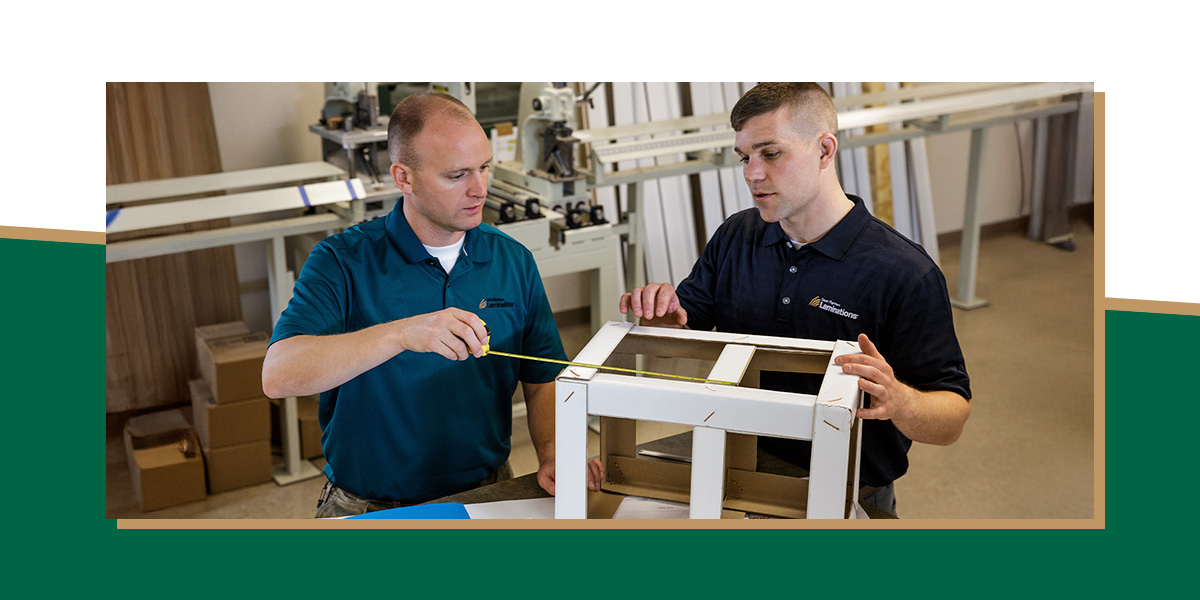
Fit is an essential variable in custom corner and edge protection. Protectors must support the product where loads concentrate, not merely cover the edges.

Accurate design requires carefully measuring the following elements.

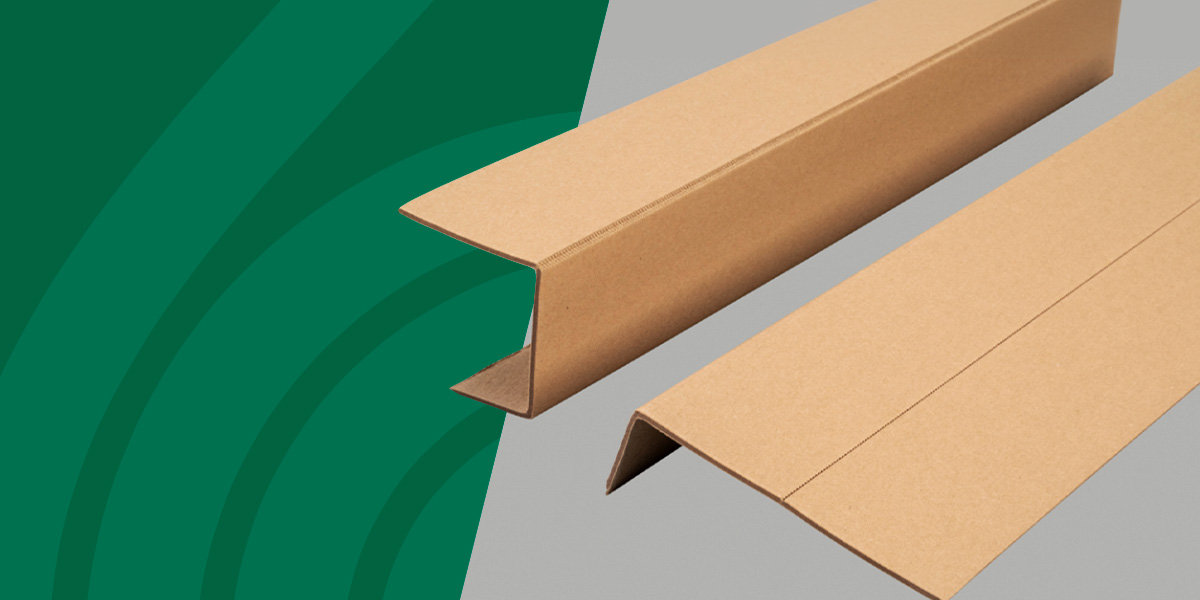
  • Leg length: Ensures full coverage along both sides of the edge or corner.
  • Caliper thickness: Determines compression strength and stacking capability.
  • Length: Supports the full height or width of the product during transit.

Different product shapes demand various design approaches. For example, straight-edged cartons may require rigid, linear protection, while curved or cylindrical items might need flexible designs that maintain contact without creating pressure points. In addition, products with unusual angles or cutouts benefit from notched or contoured protection that locks into place during packaging.

Engineering for Strength and Stability

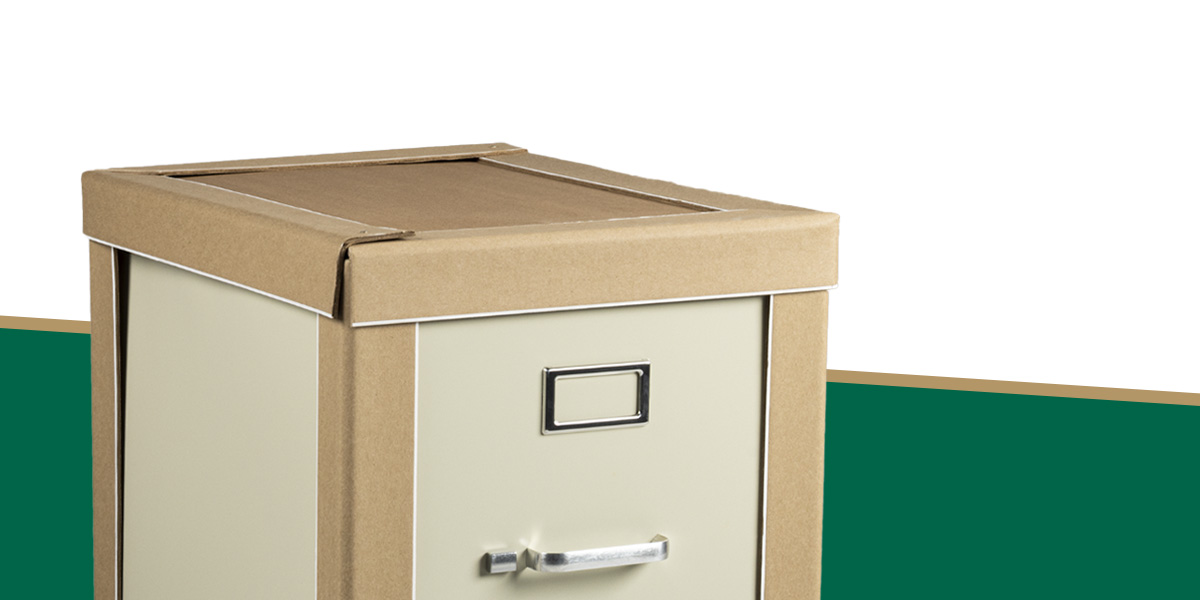
Corner and edge protectors maintain load stability and pallet integrity throughout transit. Engineering for strength involves understanding how weight transfers through the package. Protectors must reinforce vertical stacking loads and distribute force evenly across the pallet. When properly designed, they reduce carton deformation and prevent load collapse during handling.

Engineering for Strength and Stability

Consider the following engineering priorities.

  • Load-bearing calculations: Ensure protectors support maximum stacking heights.
  • Compression resistance: Maintain shape under sustained pressure.
  • Pallet interaction: Work in harmony with stretch wrap, strapping and pallet design.

Protection engineered as part of the total packaging system improves efficiency at every stage, from packing to final delivery.

Putting Your Design Into Action

Effective custom corner and edge protection starts with understanding the real-world costs of inadequate solutions and applying engineering principles to eliminate inefficiencies. Material selection, precise sizing, structural design and performance testing all contribute to protection that works as intended.

With a clear design framework, businesses gain the confidence to move beyond generic protection and implement solutions that reduce damage, improve stacking strength and support sustainability goals. The result is packaging that protects products while improving efficiency across the supply chain.

Frequently Asked Questions

Get your pressing questions on custom corners and edge protectors answered.

  1. What does designing custom corner edge protectors for maximum efficiency involve?

Designing custom corner and edge protectors for maximum efficiency involves engineering protection based on the product’s size, weight, shape and shipping environment. The process includes selecting the appropriate material, dialing in precise dimensions and ensuring the protector supports stacking strength and pallet stability throughout transit.

  2. What are resistant protectors and when are they needed?

Resistant protectors are corner and edge protection components designed to maintain performance in challenging shipping environments. They are excellent choices for products that may encounter moisture, temperature changes or extended transit times. Resistant protectors preserve stacking strength and reduce the risk of damage during shipment by incorporating engineered materials or surface treatments.

  3. How do custom corner and edge protectors support security and protection?

Custom corner and edge protectors reinforce product security and protection by stabilizing loads and reducing movement during transit. Protection engineered to the product’s weight and dimensions prevents shifting, impact damage and pallet collapse. This added stability supports consistent handling and protects products from avoidable damage throughout the supply chain.

Design Protection That Performs

Damaged products, rising freight costs and inconsistent packaging performance place unnecessary pressure on operations and customer relations. Custom-designed corner and edge protectors address these challenges at the source by delivering protection that fits, performs and scales with your business.

Great Northern Laminations® specializes in engineering custom edge protection and corner protection solutions that replace inefficient alternatives with designs built for real-world conditions. We combine material expertise, ISTA-certified testing and sustainability-focused design to create protection that works.

Browse our full range of products or contact Laminations to start designing a custom solution that protects your products and bottom line.

Design Protection That Performs

Choosing the Right Packaging Material for Irregularly Shaped Items

Choose Smarter Packaging for Irregularly Shaped Items

If you’ve ever tried to package an item that doesn’t fit neatly into a standard box, you already know the frustration. Long products bend, round items roll and heavy components shift, no matter how much filler you add. Even when everything appears secure at the packing station, damage can still occur during delivery, and shipping costs may climb higher than expected.

Below, we explore the process of choosing the right packaging material for irregularly shaped items so you can find the right solutions for your shipments.

The Challenges of Packaging Irregularly Shaped Items

Irregular shapes introduce problems that standard packaging materials aren’t designed to solve. Before examining solutions, it’s helpful to understand where things typically go wrong.

1. Dimensional Weight and the Cost of Shipping Air

Carriers often price shipments based on the space a package occupies. When an irregular item is placed in an oversized box, you end up paying to ship space around the product, rather than just the item itself. This can quietly drive up freight costs without improving protection.

2. Product Movement and Damage Risk

Irregular items don’t sit flush against box walls. That makes them more likely to move during transit. Void fill can compress, shift or settle, especially with heavier items. Once that happens, the product can bang against the container, rub against packing materials or take direct impact at weak points like edges and corners.

3. Excessive Material Use and Waste

To compensate for poor fit, many teams add more filler, wrap and tape. That increases material costs, slows down packing and creates more waste. It can also make packages more difficult to handle and open on the receiving end.

4. Handling and Safety Concerns

Some packaging materials solve protection issues by adding weight. For large or heavy irregular items, this can make handling more difficult and increase strain during packing, staging and loading.

How to Choose the Right Packing Materials for Odd-Shaped Items

How to Choose the Right Packing Materials for Odd-Shaped Items

Once you understand the challenges, the decision process becomes clearer. The goal isn’t to force an irregular product into a standard package. The goal is to choose materials that protect the product’s actual shape and risk points.

Start by Understanding the Product’s Shape and Weak Points

Every irregular item has predictable failure points. For example, long products tend to bend or crush at the ends, round items roll and scuff, and heavy items concentrate force at corners and edges.

Before choosing materials, you’ll need to consider the following:

  • The product’s length, curves and weight distribution.
  • Where damage has happened in the past.
  • The surfaces that need cosmetic protection versus structural support.

Decide Whether You Need Cushioning or Structural Support

Not all protection does the same job. Cushioning materials absorb impact, while structural materials resist compression and movement. For many irregular items, structure matters more than softness. If the product needs to resist bending, strapping pressure or stacking forces, rigid or semi-rigid materials usually perform better than soft fillers alone.

Match the Material to the Shipping Environment

The shipping method matters just as much as the product shape. Less than truckload freight often involves stacking, shifting and compression over longer distances. Choosing materials without considering the shipping environment can lead to protection gaps, even when the packaging looks solid at first glance.

Evaluating Common Types of Packaging Materials for Odd-Shaped Items

There’s no universal best packaging material. The right choice depends on the needs of your unique shipment.

Corrugated and Standard Cartons

Corrugated boxes are a familiar and widely available packaging option. They work well when an irregular item can still be stabilized inside a reasonably sized carton. The challenge is that boxes are inherently rectangular in shape. For long, curved or uneven products, this may lead to oversized cartons, extra void fill and higher dimensional weight costs.

Wooden Crates for Irregularly Shaped Items

Wooden crates are often used for heavy machinery and large industrial components. They offer strong puncture resistance and rigidity.

Foam Packaging Materials and Plastic Cushioning

Foam packaging materials, such as bubble wrap and loose fill, can help protect surfaces and absorb impact for lightweight items. These materials are commonly used because they are easy to work with and suitable for small, fragile products.

Paperboard Edge Protection as a Packaging for Odd-Shaped Items

Paperboard protective components focus on reinforcing vulnerable points, not just filling space. Edge and corner protection can distribute compression forces, reduce strap damage and help maintain a tight, stable load.

This approach can be useful for irregular shapes because it supports a build-around-the-product strategy. Instead of overboxing and stuffing, you stabilize and reinforce the areas most likely to fail.

How to Match Material to Product Shape

Matching material to shape is where packaging decisions become more reliable and repeatable.

  Packaging Materials for Long, Narrow Items

Long items such as tubing, profiles, trim and siding can suffer from bending, edge crushing and end damage.

  • Full-length edge protection: Reinforces edges and reduces flex along the entire shipment
  • End protection components: Protect the ends where impact and crushing are most likely to occur
  • Tighter pack geometry: Keeps packaging close to the product, reducing shifting and wasted space
  Packaging Materials for Cylindrical and Rounded Items

Round items such as coils, drums and some furniture components can roll and are challenging to square off without excessive filler.

  • Conforming wrap protection: Helps protect the surface while reducing bulk
  • Reinforcement at contact points: Protects rims and edges where straps and pallet forces concentrate
  • Stabilization over stuffing: Immobilizing the item is usually more reliable than relying on compressible void fill
  Packaging Materials for Heavy and Bulky Machinery

Heavy irregular items often need both structural protection and practical handling. In some applications, engineered paperboard solutions can provide strong protection while reducing packaging weight.

  • Structural packaging: Designed for compression, supporting stacking and reducing the risk of crushing
  • Protection that fits the product footprint: Reduces movement and prevents shipping air
  • Options that support safer handling: Lighter packaging can simplify staging, loading and unloading

Custom-Engineered Solutions for Total Protection

Standard packaging is most suitable for standard products. Irregular shapes often benefit from solutions engineered around the product itself.

Custom approaches may include the following:

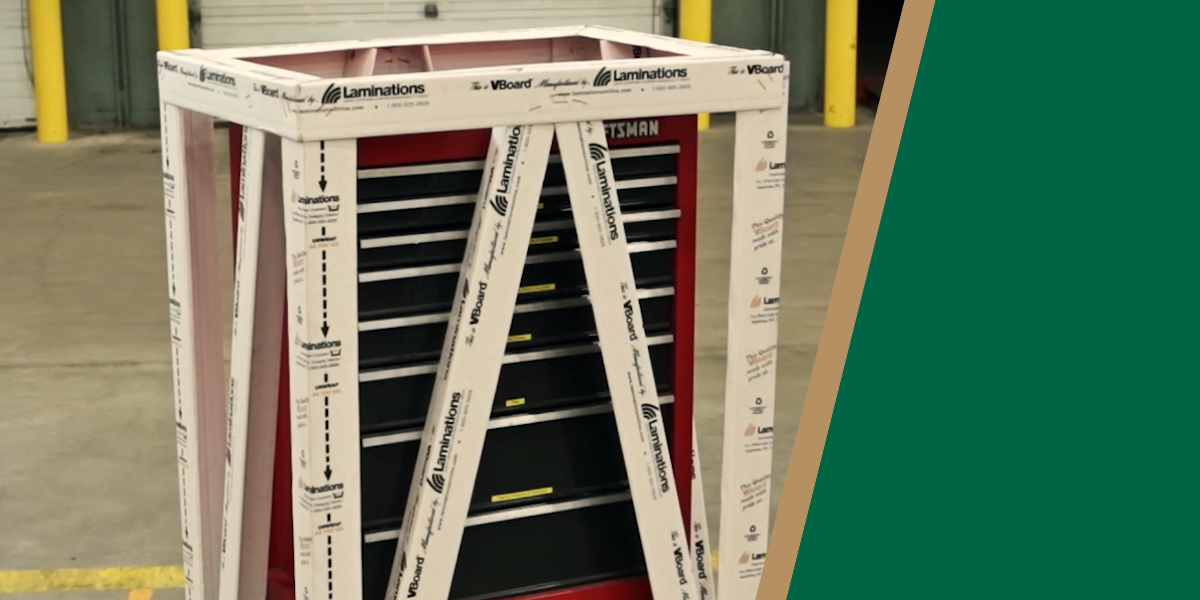
  • For structural edge and corner protection: VBoard® can help reinforce long edges and protect against crushing and strap pressure.
  • Flexible wrap-style protection: FlexRoll® can conform to curved items and reduce reliance on plastic wrap.
  • Crate-style structural protection: SURECrate® can offer a strong alternative to traditional wood crates for certain heavy or bulky items.

Choose Smarter Packaging for Irregularly Shaped Items

Choose Smarter Packaging for Irregularly Shaped Items

Choosing the right packaging material for irregularly shaped items is challenging. Standard packaging materials weren’t designed for these products. When materials don’t match the shape or shipping environment, the result is wasted space, higher shipping costs, damaged goods and frustrated teams.

Great Northern Laminations® can help you build protection around your product, rather than forcing it into a box. Our custom solutions help to safeguard your products during shipping, handling and storage. Contact Laminations today for more reliable shipping.

Why Custom Packaging Is Essential for Regular and High-Value Items

Laminations' SURECrate in action

Every product, whether it’s an everyday item or a high-value asset, faces risks during shipping and handling. The right packaging protects against damage, reduces shipping costs and minimizes waste.

Custom, engineered solutions ensure a precise fit, helping prevent costly returns and negative customer experiences. Today’s companies need custom packaging that balances protection, efficiency and sustainability while elevating the unboxing experience.

Read More…

How Corner and Edge Protection Reduces Returns and Strengthens Brand Trust

Warehouse worker holding a tablet and looking up

With businesses reporting up to $890 billion in retail returns in 2024, corporations are seeking ways to reduce returns and strengthen brand trust. Shipping damage — a leading cause of costly returns, lost revenue and negative customer experiences — creates an opportunity to make an impact with customers.

Investing in engineered corner and edge protection is a proactive way to prevent transit damage, reduce returns and build lasting customer trust.
Read More…

How to Choose Between Ready-Made and Custom Crates for Your Business

Packaging crates for product shipping and storage

Choosing the right crate is critical for any business that ships products. It’s not just about getting your product from point A to B — it’s about reducing shipping and material costs, protecting your goods and supporting your sustainability goals.

The right solution for your business will minimize waste, lower emissions and ensure your goods arrive safely, making crate choice a smart investment in cost, protection and the environment.
Read More…

What Is a Gaylord Box in Shipping? Definition, Uses, and Alternatives

Gaylord boxes are a well-known storage and transportation option in the shipping world — and they could be holding your business back.

Industries that deal with bulk materials often use Gaylord boxes for shipping throughout their supply chains. However, they have distinct drawbacks that leave many professionals hunting for an alternative.

If you want to reduce damage during shipping, keep workers safe and boost efficiency, the first step is finding a solution that’s more durable and cost-effective than the Gaylord box. Some options offer the same benefits and extra features that could transform your operations.

Read More…

The Evolution of Protective Packaging Solutions

Protective packaging has come a long way. Over the decades, the packaging industry has undergone a remarkable transformation, driven by advances in engineering, materials science and sustainability. Today’s solutions are lighter, stronger and more customizable than ever before, helping businesses protect products while boosting brand image, reducing costs and minimizing environmental impact.

Read More…

The Impact of Sustainable Packaging on B2B Supply Chains

The Impact of Sustainable Packaging on B2B Supply Chains

As environmentally friendly packaging is increasingly prioritized, it’s creating a more efficient B2B (Business to Business) supply chain. Switching to sustainable packaging materials, transportation and end-of-life processes can initially be more expensive and challenging. However, eco-conscious choices save costs over the long term and enhance a brand’s connection with modern customer values.

Read More…

Shipping Windows and Doors Safely and Affordably: How UChannel® and VChannel® Can Help

Shipping Windows and Doors Safely and Affordably: How UChannel® and VChannel® Can Help

Shipping is the backbone of many industries across the U.S. and around the world, from manufacturing and construction to farming and tech. These all-important processes are not without fault, however. Windows, doors and other fragile goods are especially vulnerable to bumps and breaks while being shipped, and this damage can result in lost customers, poor reviews, and expensive repairs or replacements. The USPS alone lost over $1.8 billion in 2024, partly as a result of damage.

Read More…

Contact Great Northern Laminations to Get Started Today

Partnering with us as a distributor gives you access to some of the packaging market’s most beneficial resources. Our team can provide information about the industries you serve, helping you increase sales and grow your business. Join our Distributor Portal today to get started.

If you’re looking to work with us directly, we can help you find the most effective shipping solutions for your operation. Contact Us today to learn more.

Get Started